


 Italiano
Richard Woodward
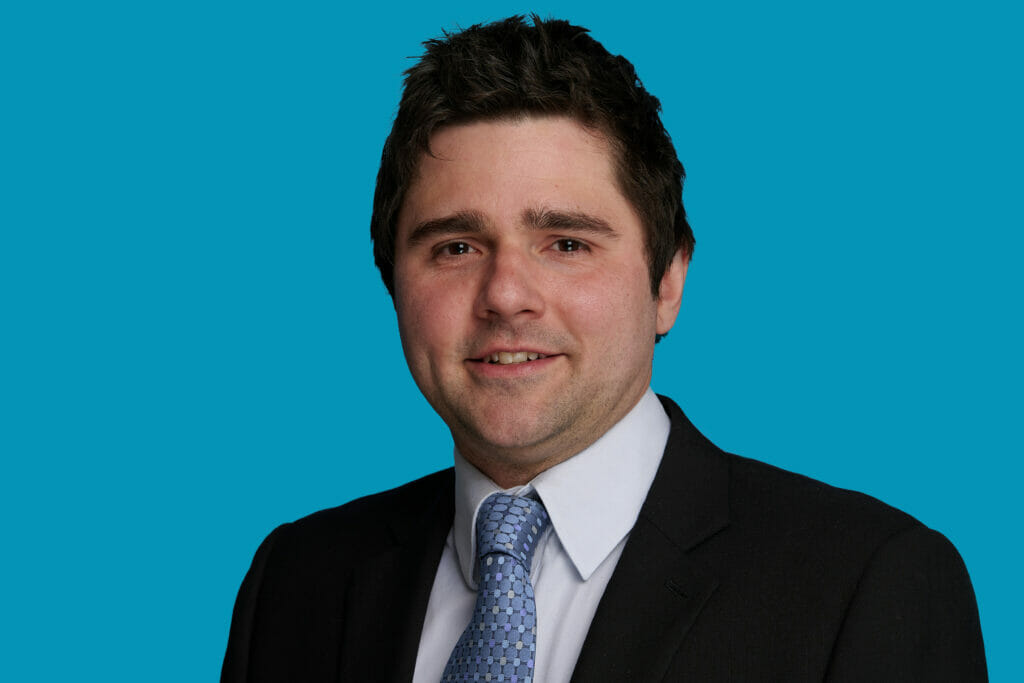
Richard completed his EngD qualification in 2017, working alongside Jaguar Land Rover, developing innovative adhesive bonding processes for high volume vehicle assembly. Throughout this work, Richard developed a detailed understanding of material joining techniques, associated test methods and failure mode identification. He also gained experience in the manufacture and testing of fibre ‑reinforced composite materials, as well as establishing an appreciation for the complexities inherent with using such materials. Prior to this, Richard completed a Masters Degree in Mechanical Engineering with Business Management at the University of Warwick. This degree brought with it an appreciation of a wide range of engineering principles with a particular focus on mechanical systems. Richard has also worked for Aston Martin Lagonda, focusing on the development and testing of new material technologies for use on future vehicles. This work primarily included adhesives and fibre reinforced composites, extending as far as material model generation for use with finite element structural analysis techniques. This work included substantial elements of durability assessment, understanding the durability limits of materials prior to failure, as well as investigating the effects of corrosive environments upon various materials and joints. Richard comes from a background in agriculture, where he spends a lot of […]
Chris Botham

Chris began his engineering career in 1978 as an apprentice welding and fabrication engineer at National Oilwell, working on projects for the oil and chemical industries. After completing his apprenticeship Chris began work as a welding and fabrication engineer at Fairey Engineering in Manchester, where he worked on projects for the Nuclear Industry and the Ministry of Defence. In the mid 1980s Chris worked for Cunnington & Cooper as a Design Engineer after gaining a Higher National Diploma in Mechanical and Aeronautical Engineering. After completing a lecturer’s qualification and Honours Degree in Mechanical Engineering, Chris became a lecturer in Engineering subjects at Stockport College of Technology. Chris completed his Masters Degree in 1996 and began work as a Senior Structural Analyst at the National Nuclear Corporation on projects for the Nuclear Industry and the Ministry of Defence involving finite element analysis and engineering design. Chris brought his wealth of experience to Hawkins in 1999 where he trained in Forensic Engineering and now predominantly investigates incidents and failures involving machinery, product design and manufacture, and personal injury. Chris also carries out investigations into the causes of floods, failures of civil engineering structures and composite materials. These investigations have ranged from small […]
Chris Wareham

After he graduated, Chris completed a doctoral research project on the isotope and trace element chemistries of precious- and base-metal mineral deposits in the Rocky Mountains. Following a brief spell contributing to a variety of research projects at the NERC Isotope Geoscience Laboratory he joined the British Antarctic Survey and headed for the mountains of Antarctica, where he continued his research using isotopes and trace elements. Chris published many scientific papers before leaving academia in 1998 to join Hawkins at our Cambridge office, after which he opened the Glasgow office in 2008 and the Dubai office in 2014. During this time he has investigated 1200 incidents in Europe, the Americas, Asia, the Middle East and Africa. His investigations include fires, dust and vapour explosions, electrical and mechanical failures, product defects, personal injuries/fatalities, and post-incident contamination assessments; the incidents have occurred in many environments such as refineries, power plants, retail, manufacturing, construction, agriculture, mining, warehouses, hotels, hospitals, dwellings and ships/aircraft/trains/automotive. The root causes he regularly encounters involve systems’ failures and process faults, equipment and materials’ failures of all types and ‘human intervention’ (e.g. fraud, ‘poor practices’ and breaches of Regulations such as DSEAR). Chris has extensive experience in the litigation process […]
Neville Tranter
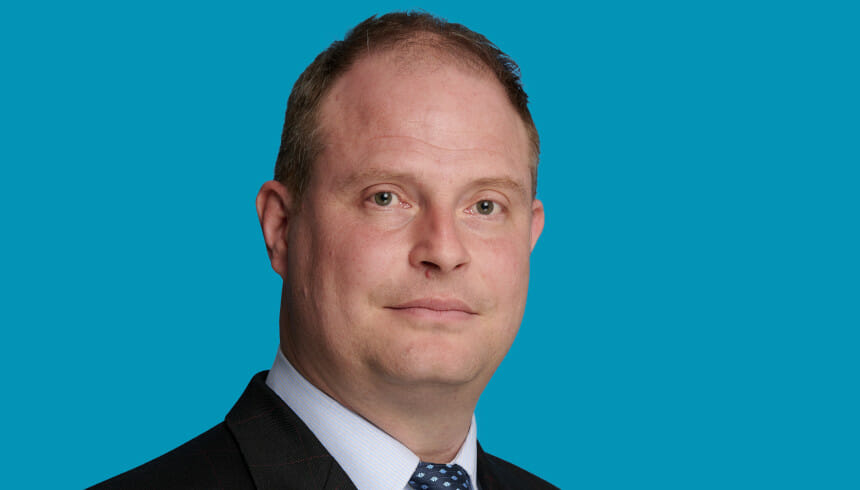
Following completion of his degree in Metallurgy at the University of Birmingham, Neville worked as a Graduate Heat Treatment Engineer at Wallwork Heat Treatment. This focused his knowledge of working in hazardous environments. It was from the work undertaken at Wallwork that Neville gained an interest in failure investigations and decided to broaden his knowledge by undertaking a Master of Science degree in Forensic Engineering and Science at Cranfield University. Following his Masters, Neville worked for Intertek Plc, running Rolls-Royce’s out-sourced Metallurgical Laboratory. This gave him exposure to materials science and general engineering of gas turbine engines and failure analysis. Intertek also undertook failure investigations from a wide range of third-parties. Through this work, he conducted over 100 metallurgical and failure investigations including: multi-million pound oil and gas industry losses medical devices and equipment railway rolling-stock and systems consumer products and patent infringement. After Intertek, Neville moved to Goodrich Corporation as a Materials Engineer where he investigated failures, non-conformance and manufacturing issues on hydraulic and electric aerospace actuation systems. Since joining Hawkins, Neville has specialised in the investigation of engineering failures and is currently working as a Principal Associate in our Birmingham office.
James Townsend

James brings expertise in Plant Pathology to Hawkins. He has had over 25 years’ experience in the field, and for ten of those he has managed diagnostic plant clinics providing diagnoses for a range of UK and overseas crop problems for customers. He is experienced in investigating the causes of plant diseases, crop failures and spoilage of fresh produce and enhances Hawkins’ capabilities in the areas of Agriculture & Forestry, Cargo Spoilage, Contamination & Pollution, Marine & Shipping. James studied Applied Biology at Brunel University and his industrial placement project on the genetic resistance to the disease apple scab at HRI-East Malling, now NIAB-EMR, inspired him to pursue a career in plant pathology. James spent 12 years as a Senior Research Assistant in the Plant Pathology Department at Rothamsted Research, the oldest agricultural research institute in the world. He worked on projects to breed genetic resistance to diseases in oilseed crops and published research into the effects of climate change on plant diseases in the UK. James was a Project Manager in Plant Pathology for six years at Stockbridge Technology Centre where he managed a portfolio of field and glasshouse research projects and the Plant Clinic, gaining extensive experience in […]
David Rose
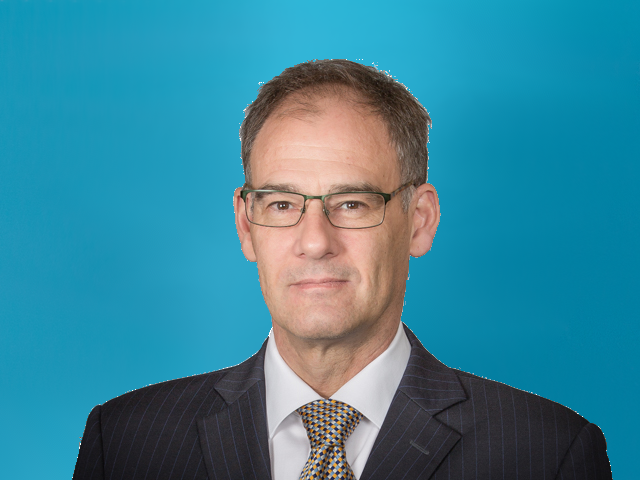
David’s career started in the Technical Services and Development Laboratory at the BP facility in Hythe. He then moved on to study anti-oxidant behaviour in lubricating oils for his PhD at the School of Chemistry at Leeds University. After graduation he studied hydrocarbon combustion as a research fellow. In 1993 David joined the Defence Research Agency (latterly known as DERA) working for the Fuels & Lubricants Centre in Farnborough, running the Fluids Handling and Flammability Hazards laboratories. His research varied from developing methods of preventing gearbox explosions, self-cleaning filtration systems, the compression ignition of hydraulic fluids to fuel reformation for fuel cells. He acted as a consultant to the Armed Forces concerning fire hazards associated with fuels and lubricants. David became interested in forensic investigation while working as part of the DERA TWA 800 air accident investigation team, investigating the destruction of a Boeing 747 that was caused by the ignition of a fuel-air mixture in the centre wing tank. Since joining Hawkins in 2001, David has carried out over 1,000 forensic investigations involving petrochemicals, confined space entry, fire and explosion incidents both in the United Kingdom and overseas. These cases have included small scale incidents to multi-million pound losses […]
Adrian Ratte
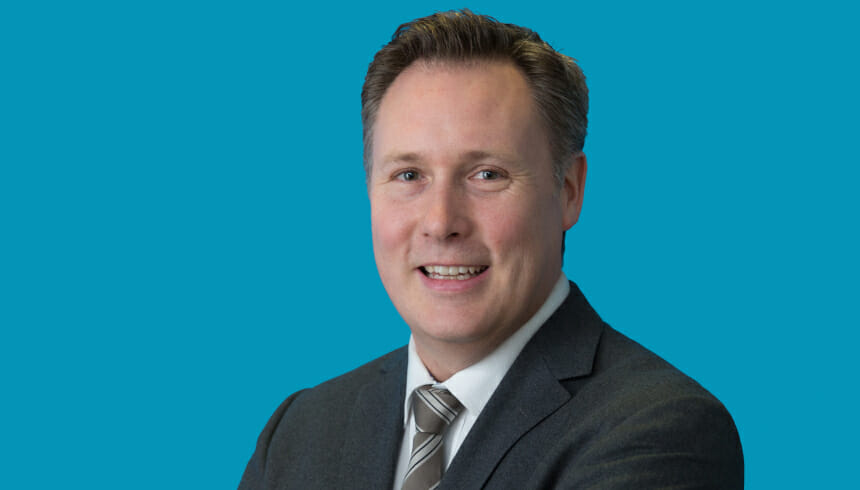
Adrian’s background is diverse, having gained experience with oil and gas exploration in the Canadian Arctic at Schlumberger, manufacturing of gas compression and generator packages in the oilfields of Alberta at Enerflex, and as a contract manufacturer applying prototyping and machining technologies at Alzar Industries in Ontario. He also completed a race car Mechanic training program at the Bridgestone Racing Academy near Toronto. Throughout University he was heavily involved in the Formula SAE team, where the students design and build a race car each year. Eventually culminating in a position as the team leader, his final year thesis project was the design, construction, and testing of a carbon fibre race car chassis. After completing his degree, Adrian joined Sereca Fire Consulting Ltd in Vancouver, BC in 2006 and for 7 years he performed engineering analysis following fires and other failure incidents. During this period he investigated fires, explosions, and other engineering failures in domestic, commercial, and industrial facilities. He has also investigated fires and failures in boats, heavy machinery and vehicles. This position included a focus on the application of Building Regulations, Standards, and Electrical and Gas Codes of Practice to identify defects, evaluate requirements, and analyse compliance. He has […]
Tom Peat

Tom graduated with a MEng in Aero-Mechanical Engineering from the University of Strathclyde in 2013. This degree incorporated numerous independent and group assignments, as well as an international research project at the Universitat Politècnica de València in Spain. Upon completion of his degree, Tom began work as a Supplier Quality Engineer with Jaguar Land Rover, located in Gaydon. This role included the review of suppliers’ manufacturing facilities to ensure correct process controls were in place to maintain part quality and protect the delivery schedule. One of his main projects involved the investigation of defective aluminium plates that were susceptible to splitting during the pressing process. The outcome of this investigation identified the primary cause of the failure and resulted in the implementation of new process controls to reduce the frequency of defective parts. This role cultivated an interest in materials science which led to the undertaking of a PhD in Advanced Surface Engineering within the Department of Mechanical and Aerospace Engineering at the University of Strathclyde. The PhD project involved the development of an innovative surface engineering process to manufacture highly erosion-resistant composite surfaces containing ceramic and oxide reinforcing particles. The findings of this research were published in leading peer-reviewed academic […]
Sophie Parsons

Sophie is a Chartered Engineer with expertise in materials failure analysis and corrosion incidents in both the marine and land-based sectors
Jessica Ng

After completing her first degree in Physical Science, Jessica pursued a Master’s in Forensic Science from King’s College London in 2012. Jessica joined Hawkins in 2015, specialising in fire and explosion investigation, contamination assessments, and agricultural cargo claims. Since joining the company, Jessica has investigated the causes of fires in residential and commercial premises, and appliance and vehicle fires in Hong Kong and overseas. Her investigations include contamination assessments of buildings, manufacturing equipment, stock, and lifts/escalator components following fires and floods. In April 2016, Jessica completed the Fire Science and Investigation course at the University of Edinburgh. Jessica also has marine experience investigating fires on yachts, container and bulk cargo vessels and provided advice on ‘live’ ship fires involving cargoes such as coal and other agricultural products. She has investigated the causes of cargo contamination on tankers and has been involved in cases involving the liquefaction of nickel ore and coal, which includes witnessing laboratory tests to determine the moisture content and flow point. She also regularly assists P&I Clubs in supervising the loading process of Group A cargoes. Jessica has been heavily involved with agricultural bulk cargo claims pertaining to soybeans and maize in particular. She is experienced in […]