



Electric Shock and Electrocution Investigations
Incidents involving electric shock or electrocution can have severe consequences. Electric shock can result in serious injury, with electrocution being a fatal electric shock.
Either may result in significant business disruption, legal claims, and potential employer prosecution. At Hawkins, our forensic engineers specialise in investigating electrical accidents to uncover what happened and why. We combine technical expertise with practical experience to identify root causes, determine liability, and deliver clear, evidence-based reports. Whether you need support for an insurance claim, legal proceedings, or prevention strategies, we deliver straightforward answers that help you move forward with confidence.
WHY APPOINT A FORENSIC INVESTIGATOR?
Electric shock and electrocution incidents often involve multiple factors, and vital evidence can disappear quickly. A rapid response by a forensic investigator from Hawkins can establish the cause of the incident, clarify liability, and provide clear, evidence-based support for claims and prevention.
- We have in-depth knowledge of electrical safety standards, regulations, and best practices.
- We review working practices, designs, and installations to identify high risk areas.
- We provide practical guidance and help you develop robust procedures to reduce the likelihood of electric shock or electrocution incidents.
- We deliver clear answers on why an electrical incident occurred, supporting informed decisions on liability, repudiation, and recovery.
- Our experts investigate all aspects of electrical failures, from faulty wiring and equipment defects to installation errors and unsafe working.
- We assess whether the incident could have been prevented and identify contributing factors.
- We support subrogation and recovery claims with evidence-based analysis.
- We help determine legal responsibilities and liabilities in complex electrical cases.
- We assist in defending against wrongful claims and produce reports suitable for court and litigation.
- We provide consultancy to prevent similar electrical incidents in the future.
- Where risks cannot be fully eliminated, we advise on mitigation strategies to reduce potential harm.
- We recommend servicing, maintenance, and repair regimes for electrical systems.
- Our detailed knowledge of policy cover, liability, and warranties helps you make informed decisions.
Examples of Typical cases
- Faulty electrical installations such as incorrect wiring, poor earthing, or non-compliant configuration.
- Damaged or poorly maintained equipment including exposed live parts, broken insulation, or worn cables.
- Contact with overhead or underground power lines during construction, excavation, or maintenance work.
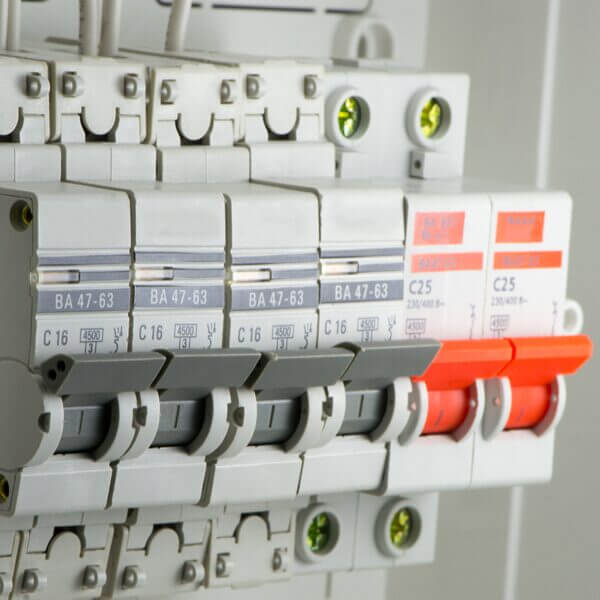
- Failure of safety devices such as circuit breakers, RCDs (Residual Current Devices), or isolation switches not functioning.
- Improper use of electrical tools or machinery due to lack of training or incorrect operating procedures.
- Water ingress into electrical systems leading to short circuits and live exposure.
- Defective product design or manufacturing faults in appliances or components that cause electric shock.
- Workplace accidents involving live systems such as maintenance without isolation or inadequate lock-out/tag-out procedures.
- Electrical failures caused by lightning strikes leading to electrocution or equipment damage.
- Domestic or commercial incidents ranging from DIY errors to large-scale industrial failures.
If you would like more information or to discuss a specific incident, you can contact us for a free consultation.
HOW DOES HAWKINS INVESTIGATE ELECTROCUTION CASES ?
1
Consultation
When an electrocution incident occurs, Hawkins begins by gathering essential information to understand the circumstances and potential causes. This includes interviewing witnesses or reviewing witness statements, site conditions, electrical schematics, and maintenance records. Our experts identify key questions about equipment, installation, and safety practices to guide the investigation and establish the scope of analysis.
2
Inspection
Our inspection process focuses on uncovering the facts with precision. We carry out on-site assessments, examine electrical systems, and review protective devices such as circuit breakers and RCDs. Where necessary, we use advanced tools like thermal imaging and 3D scanning to preserve evidence and reconstruct the sequence of events accurately.
3
Conclusion
Electrocution cases are often complex, with evidence easily lost or obscured. Hawkins combines technical expertise and experience with forensic methodology to determine root causes, assess liability, and provide clear, evidence-based insights. Our goal is to support claims, legal proceedings, and prevention strategies, helping clients resolve disputes and reduce future risk effectively.
SPEAK TO ONE OF OUR EXPERTS
Related areas of expertise
Electrical Engineering
With the prevalence of electrical and electronic devices in the modern world there is considerable scope for failures to occur. These can range from the failure of a single electronic component to failure of multi-megawatt power plants.
Mechanical Engineering
Engineering failures of hardware can occur in almost any area, from domestic items to large commercial items, hardware used in industrial applications or factories. Failures could be structural, electrical or mechanical and may be isolated incidents or a repeat failure such as one which impacts across an entire transport sector.
Electronic Materials
Electronic components rely on various materials such as polymers, metals, and ceramics in order to function. Issues with any of these materials can cause failures, resulting in hazards like fires or power surges. Hawkins Forensic Investigators conduct holistic assessments to determine the component's overall functionality and whether it was the cause of an incident.