 Italiano
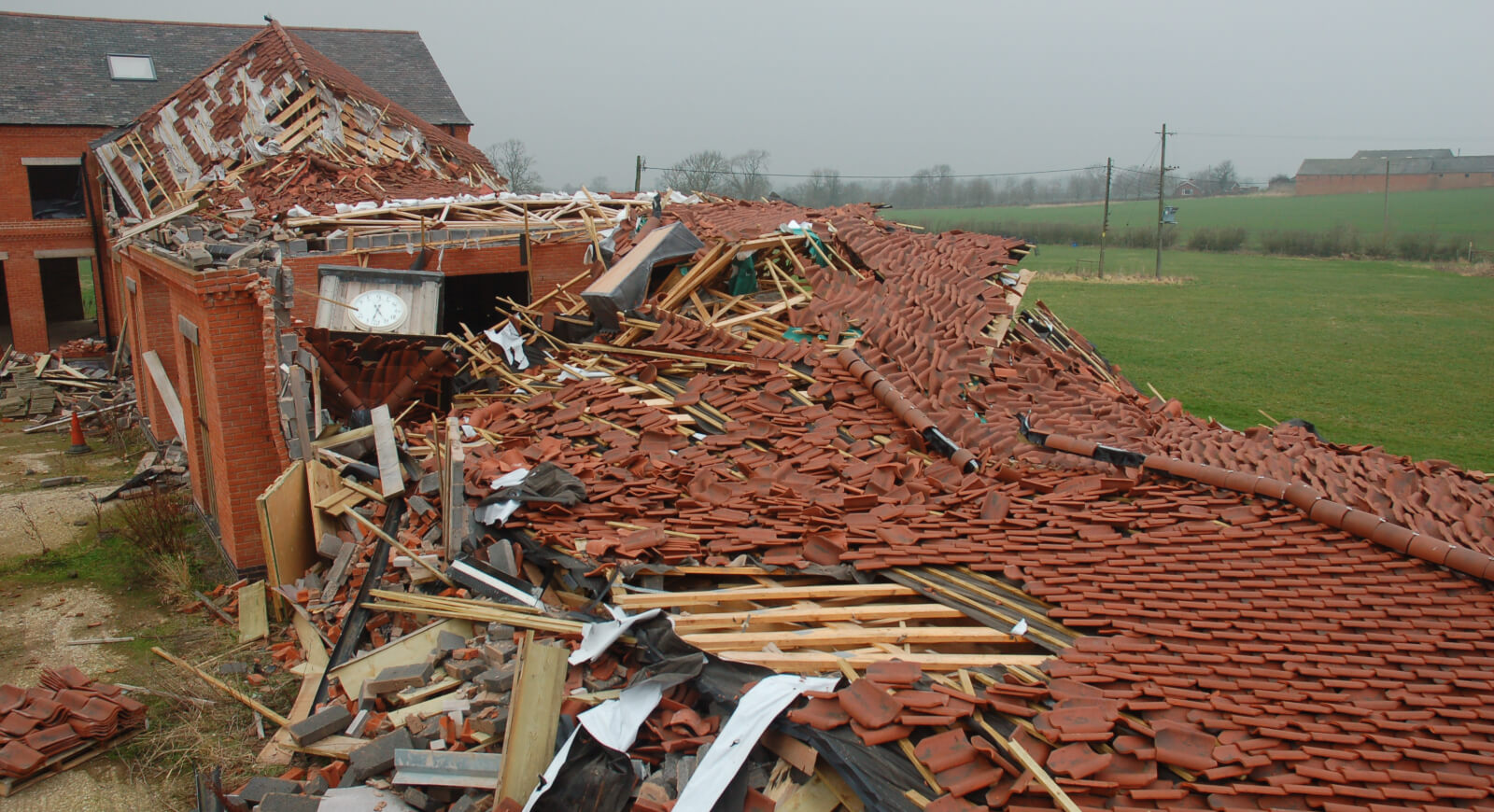

Construction projects of all kinds, over a wide range of scale, require structural engineering design input to direct the way they are built. The structural engineering design is almost always implemented in conjunction with architectural design, other specialisms, and the knowledge and skills of the contractor and specialist sub-contractors.
Civil and structural engineering design is a complex field where many engineers are highly qualified, with professional accreditations from engineering institutions after several years of industry experience, following a university degree. However, there is no safeguard against less qualified or less experienced people also trading as civil or structural engineers.
This article discusses the typical aspects of structural engineering design that are required in most construction projects. It includes case studies investigated by Hawkins, where the action of the structural engineering designer could be at fault.
“The strength of a structure depends on the strength of its elements and the way they are joined together.” – Gustave Eiffel
Weak Links
Some building faults might be related to issues with the structural engineering design, or omissions in it. Others may be due to the actions of other parties in the design or construction team, or faulty materials. The design process for each project must consider all the potential modes of failure of the structure. Any one thing could be missed in the design process and cause an issue with the performance of a building. Sometimes, a combination of circumstances needs to coincide to cause a failure. Almost every construction project is a prototype due to the varying combinations of building shape, location and formation of the team performing the work. The following sections describe five links in the structural engineering design chain.

1. Design Issues
It is possible for a structural engineer to completely design the strength and stiffness of the individual elements for the structure but miss a wider issue that can lead to damage or failure.
For example:
- The lateral sway stability of part of a building can be reduced by replacing the vertical support from a solid masonry wall with a steel beam;
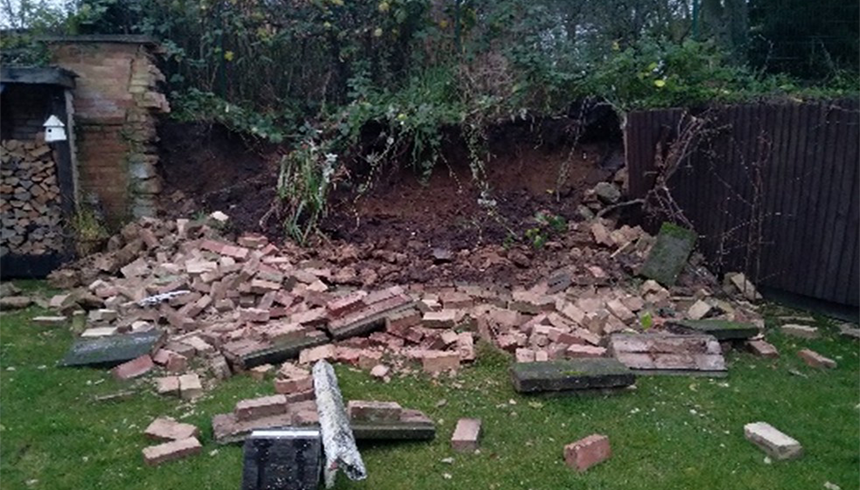
- Loads on a gravity retaining wall at a change of level of external ground that were not allowed for in the design can occur if drainage is not detailed (Figure 2);
- Overall structural capacity can be exceeded if a whole category of loading is omitted, such as wind or snow load.
2. Site Issues
There are cases where the design might have considered the typical scenario for the type of structure they designed, but there was something different on site that they did not allow for.
For instance:
- If a designer assumed that a wall was a cavity brick/block wall, when it was in fact a solid stone wall, then the wall would be heavier than assumed. A beam installed to create an opening and support the wall could then be overloaded;
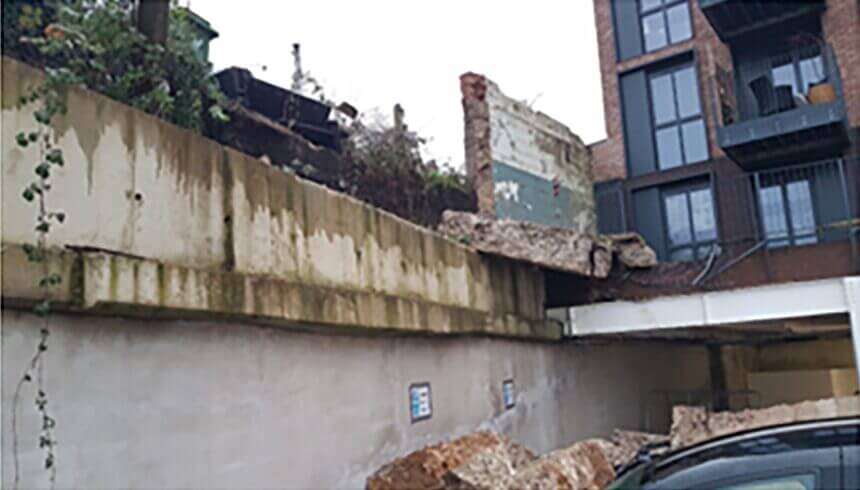
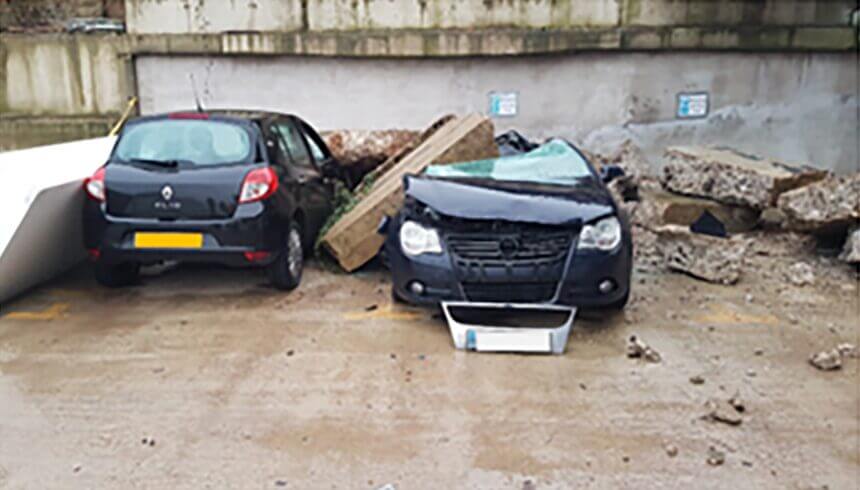
- A wall that was retaining higher ground could collapse if the rest of the building that was providing lateral support to the wall was removed without considering the interaction (Figure 3);
- The effect of a row of small trees on building foundations movement can be greater than the individual trees;
- Different ground conditions can have more or less aggressive reactions to the concrete they are in contact with. The wrong mix of concrete might look suitable initially, but in aggressive ground conditions, it can degrade over time.
3. Calculations
Sometimes, the structural designer can miscalculate their designs.
Examples might include:
- An assumed length of a beam was not updated in the design calculation when the length of the opening was longer than first planned;
- In a structural assessment, the engineer might have used the material properties for normal density concrete when the element was lightweight or aerated concrete, which can only provide lower strengths;
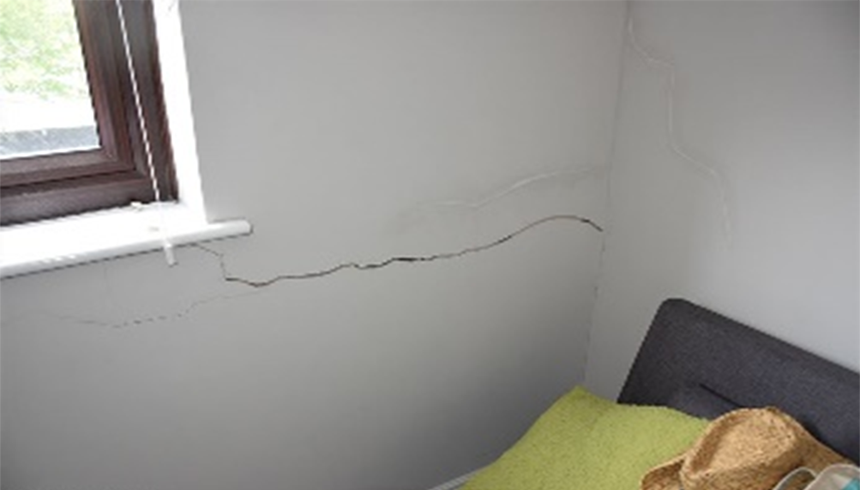
- In computer aided design, using finite-element modelling or calculation sheets prepared by a software company, the wrong input for the situation being built can lead to an understrength member. This might arise from one wrong tick in a box within the software options.
4. Stages of Design
There have been cases where the structural engineer provided sufficient design information for a preliminary stage of the design, such as submission to building control, to gain approval for the project to proceed. Then, the client or contractor did not go back to the engineer to ask for detailed design and construction details, or did not correctly apply the submitted preliminary design.
These cases have included:
- Where relative positioning between structural members and their supports was critical to the building performance, but the individual member capacity design was sufficient to pass the building control plans check;
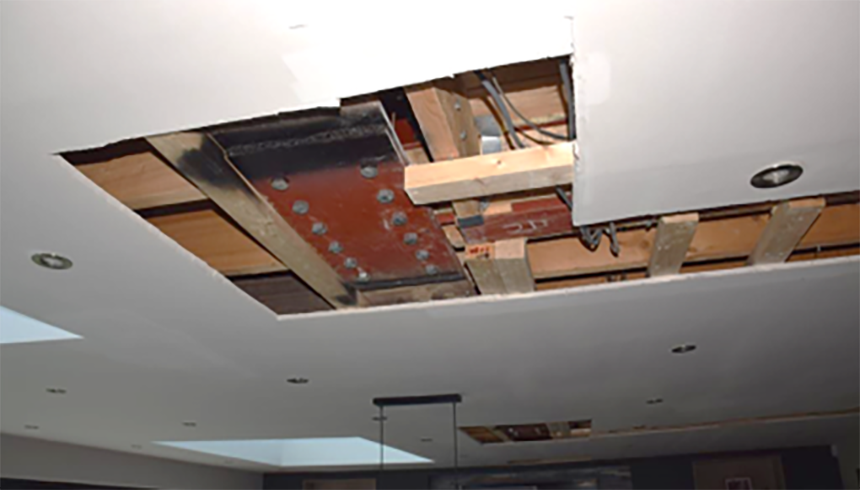
- Where the order of construction would be critical to the capacity of the structural members. During construction, an unrestrained steel beam would have considerably less capacity to carry vertical loads until it was restrained by the floors to both sides (Figure 4);
- Often, changes that appear to make the building simpler to construct can introduce complications to the way they would perform. The changes would need further structural design and could cause a problem if the designer had not been notified.
5. Missing Design
We have investigated cases where an item was overlooked as needing civil or structural engineering design. This can occur at interfaces between specialist contractors’ responsibilities:
- Proprietary items suffering wind damage from not being sufficiently attached to the building, including:
- i. Roof vents (Figure 5);
- ii. Cladding boards (Figure 6).
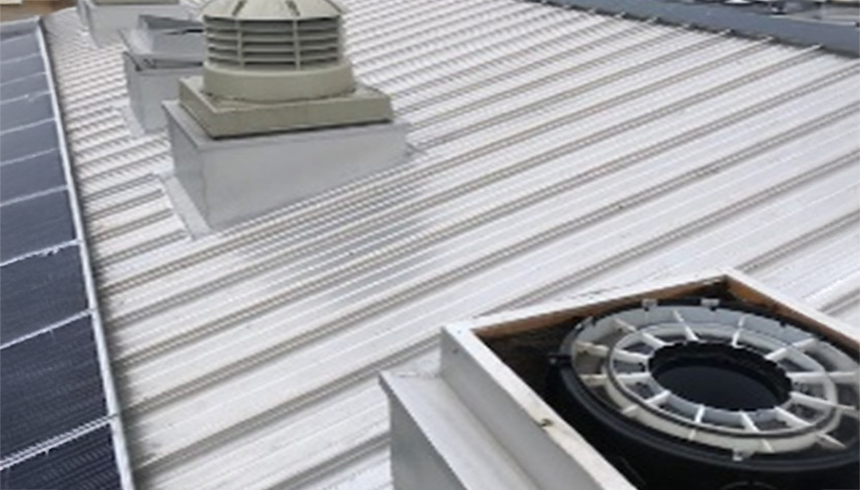
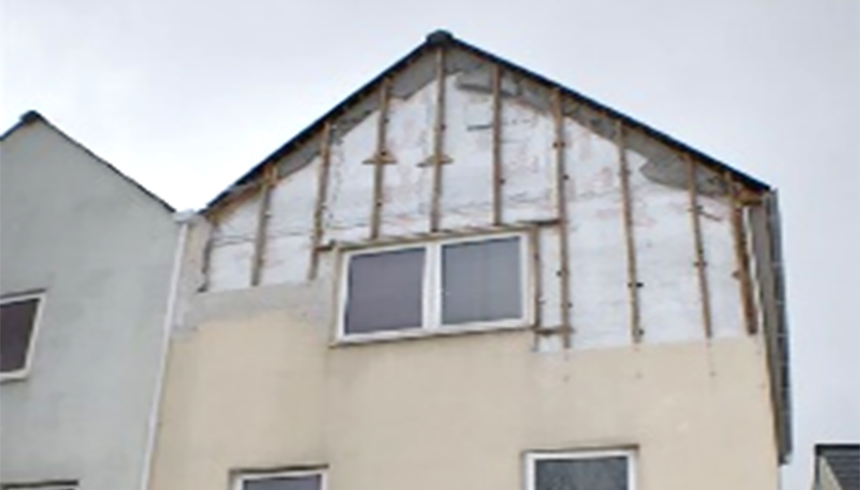
- These will likely perform satisfactorily in normal conditions but might not be sufficient for high winds or rain. This would likely present in the failure of several of the same items. Identifying the fault early might allow the rest of the items to be remediated.
- A chain bolted to a brick boundary wall. Brick walls are strong in compression and at resisting in-plane forces, but relatively weaker at resisting out-of-plane forces;
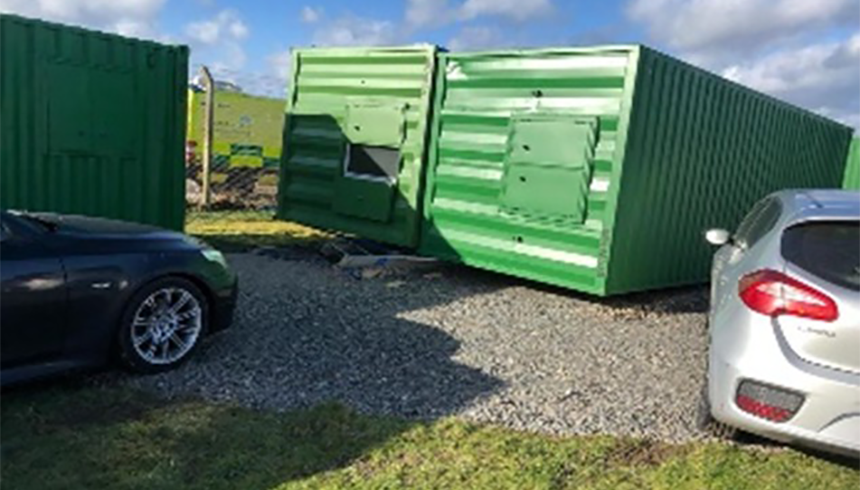
- Stability of containers used as offices, against force from wind load (Figure 7).
Failures can exhibit a range of states of distress and at different times in the life cycle of a building.
The questions which must be considered when investigating the root cause of the failure will vary with the scenario, including:
- Was the designer provided all the necessary and correct information?
- Should the designer have found out the correct information by looking into the situation more than relying on drawing or reports they were provided?
- Was there information that the designer needed to show in more detail to a competent contractor?
- Was there a coordination responsibility to make sure the correct information was provided?
- Should a competent contractor have given feedback to the designer that the situation was not as allowed for in the design?
- Did the client appointment limit how much the designer could do in any of these aspects?
In some cases, we have been able to advise that urgent action needed to be taken to avoid further damage occurring. This can save people spending time in a position of danger looking for material damage or conducting intrusive investigations that might tip the situation further towards collapse.
“The best design is the simplest one that works”. – Albert Einstein
Conclusions
Sufficient structural engineering design relies on considering all the relevant design issues and all the particular conditions on the site. The structural engineer must complete the design calculations correctly and present the construction information clearly to the contractor. Greater levels of detail are required for the construction issue of the structural drawings than for the building control submission. That is a situation where misunderstandings can arise. Also, there are proprietary and peripheral items related to construction that might not be part of the scope of a structural engineering appointment but would have benefitted from a review by a structural engineer.
How can Hawkins Help?
Hawkins’ Built Environment team can review when something has gone wrong and assess the relevant specialism or party that might have contributed to the issue. Professional experience is important in engineering, including experience of investigation.
About the Author
Jolyon Antill is a Chartered Civil Engineer based in our Reigate office. Graduating with a first-class Master’s Degree in Civil and Structural Engineering, Jolyon has 27 years of design consultancy experience.
His range of industrial and commercial project design work includes new builds, renovations, and structural surveys, both in the UK and overseas. Jolyon also has extensive experience in regional civil and structural engineering consultancies working on educational, residential, leisure and commercial projects. If you have a civil or structural issue and need Jolyon or one of the team to investigate, please contact us.