


 Italiano

Reliable Adhesive Joints – Success Without the Stress!

Product designers are often faced with complex requirements when considering how to join components together, such as aesthetics, weight saving or part-count reduction. Adhesive technologies provide a compelling solution, especially in cases where traditional mechanical fasteners (e.g. rivets or screws) are less suitable. Unfortunately, confidence in adhesive technologies can often be low, particularly in cases where joint failure could cause damage or injury.
Nick Wright

Nick’s first job following graduation was for the Cookson Group at its research centre near Oxford, where he carried out materials development and testing work. Following this, Nick returned to the University of Birmingham where he gained a PhD developing polymer matrix composite engineering components. Nick joined Cosworth Ltd in 1999 as a Materials Engineer, developing materials and processing technologies for Formula 1 Engine applications. This work included a large number of failure investigations on race and road vehicle components. In 2006 Nick joined ERA Technology Ltd, working initially in the Gas Turbine group on failure investigations and remaining lifetime assessment. He became increasingly involved in failure investigations in a wide variety of applications including power generation, petrochemical process plants, electrical distribution, general industrial and road vehicles. This led to his appointment as head of the Forensic Engineering service line at ERA, where he led a team of engineers supporting loss adjusters, insurers, manufacturers and owners/operators. Nick joined Hawkins in 2013, where he works as a Principal Associate based at our London office.
Paul Gee
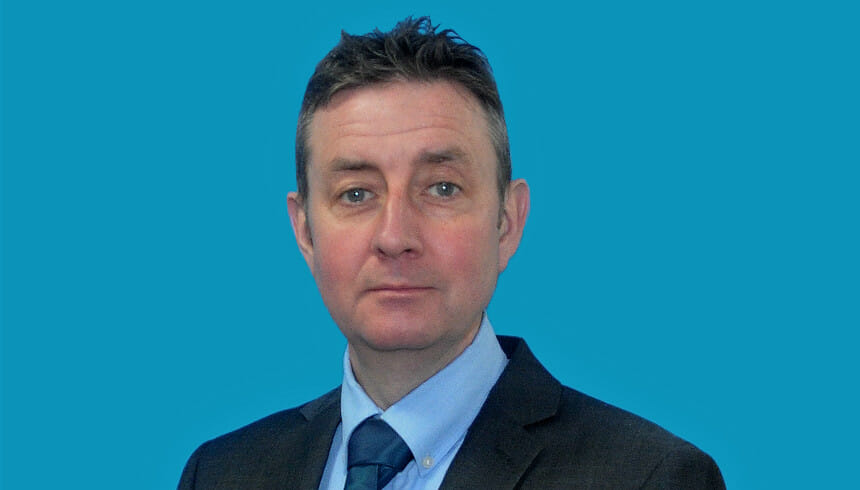
Paul started his career in engineering in 1988, with a four year technician apprenticeship with GEC Traction at its Trafford Park headquarters. Following the completion of his apprenticeship, Paul took the position of a Laboratory Technician in the now renamed GEC Alsthom Traction’s engineering laboratory, based at its Preston headquarters. In this role Paul was working within the electrical division covering product type testing, environmental testing, mechanical testing, EMC testing and product failure investigation of rail traction equipment. From this Paul was then promoted to Technician Engineer status to lead all aspects of the validation of its newly formed company ALSTOM Auxiliary Converters Ltd. During this time Paul completed a five year part-time degree course qualifying highest in the year and was awarded the IEE Institution Prize for distinction on the course. On graduation in 1997, Paul took the position of Design Engineer, then Lead Design Engineer within the ALSTOM Auxiliary Converter Business. Paul led the design on many auxiliary power supplies for use on all types of rail vehicles including trams and trolleybuses in the power range of 10 to 300kVA, for both AC single/three phase applications and DC battery charging systems. In 1998 Paul took the opportunity to […]
Richard Woodward
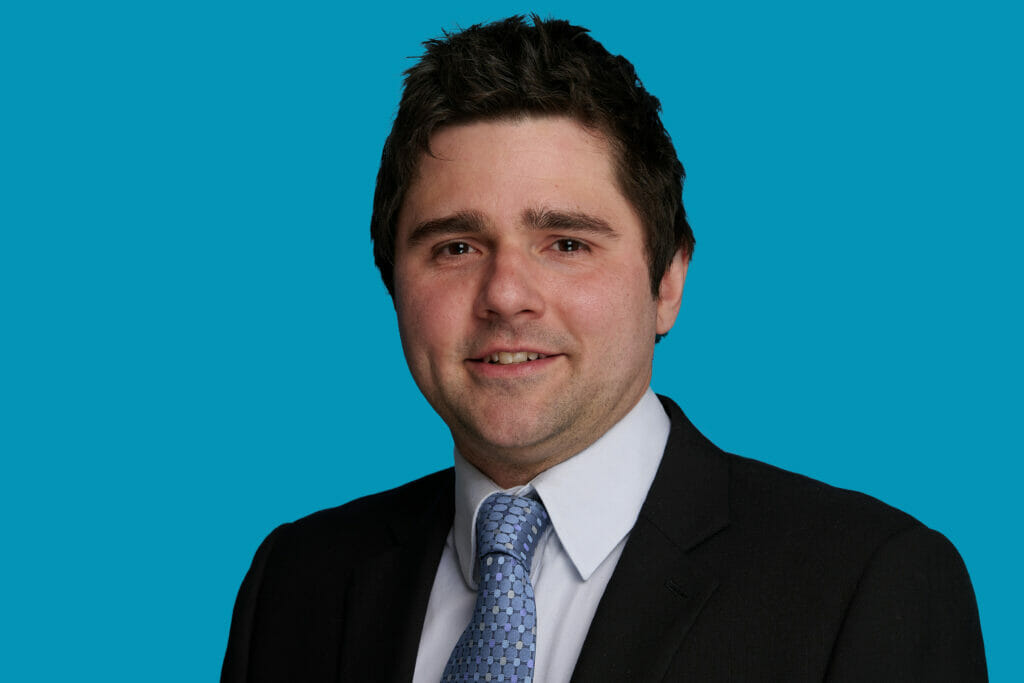
Richard completed his EngD qualification in 2017, working alongside Jaguar Land Rover, developing innovative adhesive bonding processes for high volume vehicle assembly. Throughout this work, Richard developed a detailed understanding of material joining techniques, associated test methods and failure mode identification. He also gained experience in the manufacture and testing of fibre ‑reinforced composite materials, as well as establishing an appreciation for the complexities inherent with using such materials. Prior to this, Richard completed a Masters Degree in Mechanical Engineering with Business Management at the University of Warwick. This degree brought with it an appreciation of a wide range of engineering principles with a particular focus on mechanical systems. Richard has also worked for Aston Martin Lagonda, focusing on the development and testing of new material technologies for use on future vehicles. This work primarily included adhesives and fibre reinforced composites, extending as far as material model generation for use with finite element structural analysis techniques. This work included substantial elements of durability assessment, understanding the durability limits of materials prior to failure, as well as investigating the effects of corrosive environments upon various materials and joints. Richard comes from a background in agriculture, where he spends a lot of […]
Chris Botham
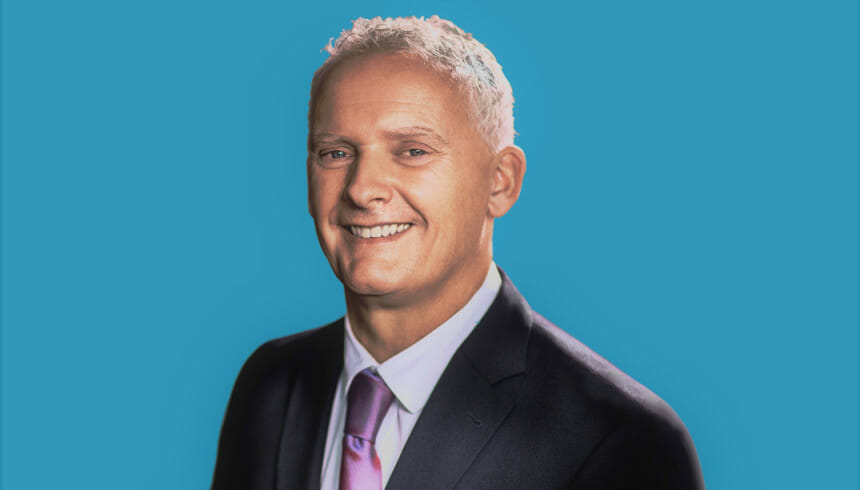
Chris began his engineering career in 1978 as an apprentice welding and fabrication engineer at National Oilwell, working on projects for the oil and chemical industries. After completing his apprenticeship Chris began work as a welding and fabrication engineer at Fairey Engineering in Manchester, where he worked on projects for the Nuclear Industry and the Ministry of Defence. In the mid 1980s Chris worked for Cunnington & Cooper as a Design Engineer after gaining a Higher National Diploma in Mechanical and Aeronautical Engineering. After completing a lecturer’s qualification and Honours Degree in Mechanical Engineering, Chris became a lecturer in Engineering subjects at Stockport College of Technology. Chris completed his Masters Degree in 1996 and began work as a Senior Structural Analyst at the National Nuclear Corporation on projects for the Nuclear Industry and the Ministry of Defence involving finite element analysis and engineering design. Chris brought his wealth of experience to Hawkins in 1999 where he trained in Forensic Engineering and now predominantly investigates incidents and failures involving machinery, product design and manufacture, and personal injury. Chris also carries out investigations into the causes of floods, failures of civil engineering structures and composite materials. These investigations have ranged from small […]
James Wade
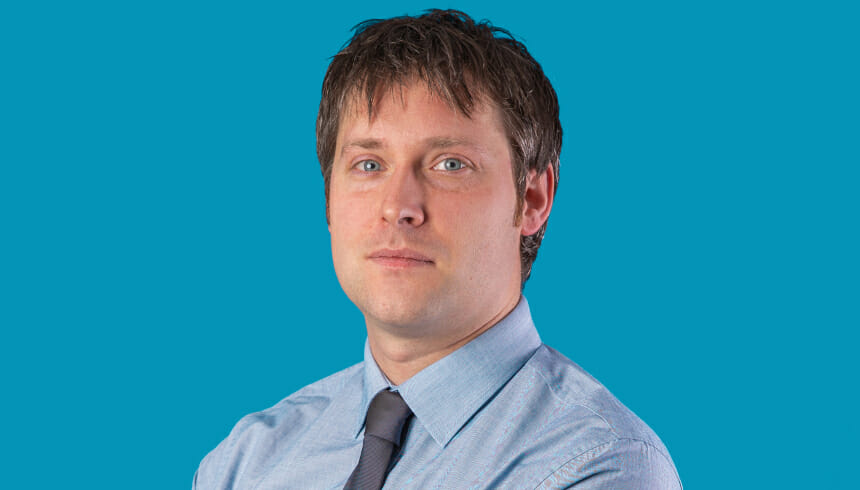
James graduated from the University of Leeds in 2006 with a MEng degree in Automotive Engineering. Whilst at University he developed a bench top reactor to simulate oil degradation in internal combustion engines and was also an integral part of the University’s Formula Student Engine team, where he designed the fuel, electric and cooling systems for the 2005/6 car. After graduating, he accepted a role as a Knowledge Transfer Partnership (KTP) Associate working between the University of Sheffield and JCB Earthmovers Ltd. Here, he participated in a research project focussing on optimising the arrangement of pin joint and component materials. The aim of the project was to reduce the dependency on grease whilst improving service life. He developed designs for a test rig which could test a variety of loading conditions and joint arrangements. James then worked as a self-employed subcontractor for a Kent based Kit Car manufacturer where he carried out a variety of roles including design, fabrication, servicing, modification and repair of a broad variety of both road and race cars. In 2010 James set up his own Automotive Engineering practice specialising in the maintenance and modification of classic BMW cars, as well as sourcing parts. James joined […]
Neville Tranter
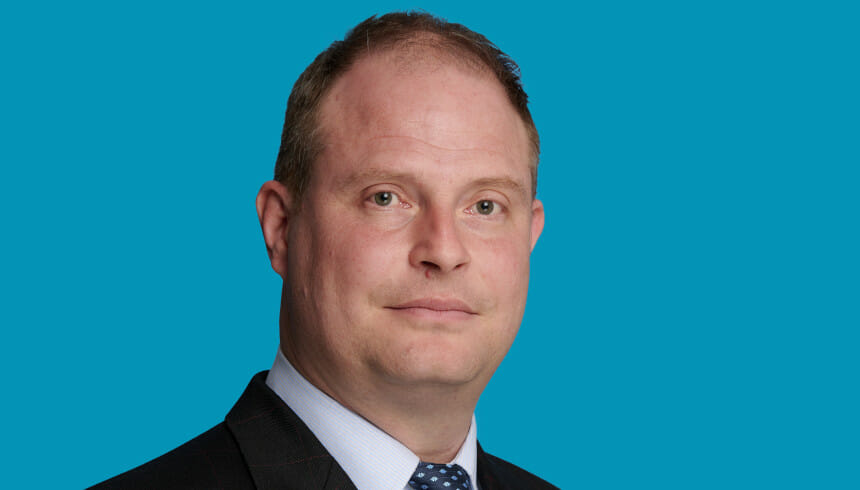
Following completion of his degree in Metallurgy at the University of Birmingham, Neville worked as a Graduate Heat Treatment Engineer at Wallwork Heat Treatment. This focused his knowledge of working in hazardous environments. It was from the work undertaken at Wallwork that Neville gained an interest in failure investigations and decided to broaden his knowledge by undertaking a Master of Science degree in Forensic Engineering and Science at Cranfield University. Following his Masters, Neville worked for Intertek Plc, running Rolls-Royce’s out-sourced Metallurgical Laboratory. This gave him exposure to materials science and general engineering of gas turbine engines and failure analysis. Intertek also undertook failure investigations from a wide range of third-parties. Through this work, he conducted over 100 metallurgical and failure investigations including: multi-million pound oil and gas industry losses medical devices and equipment railway rolling-stock and systems consumer products and patent infringement. After Intertek, Neville moved to Goodrich Corporation as a Materials Engineer where he investigated failures, non-conformance and manufacturing issues on hydraulic and electric aerospace actuation systems. Since joining Hawkins, Neville has specialised in the investigation of engineering failures and is currently working as a Principal Associate in our Birmingham office.
Robert Taylor
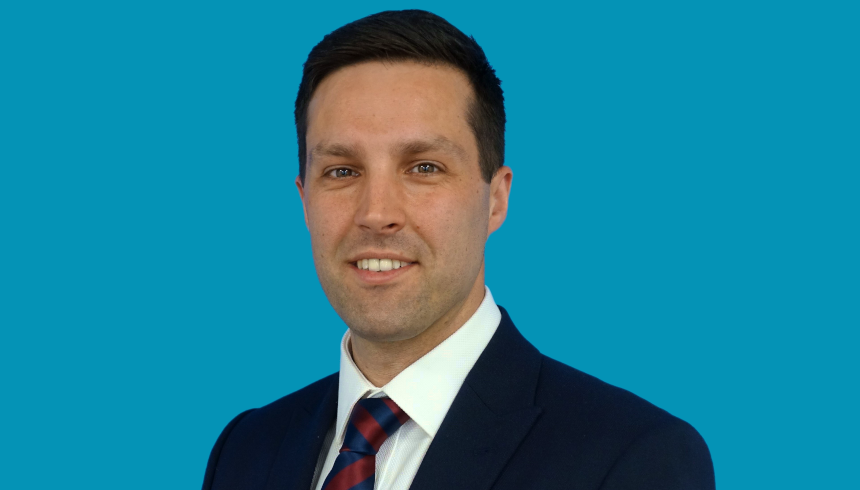
Robert is a Senior Associate based in our Birmingham office who specialises in the forensic investigation of road traffic collisions, vehicle and mechanical failures, and personal injury claims involving vehicle and workshop related incidents. Robert has completed a wide range of investigations and has prepared numerous CPR compliant reports. He is experienced in completing vehicle examinations, collision scene surveys, analysis of CCTV and ‘dashcam’ recordings, download and analysis of Event Data Recorder (EDR) data, and analysis of the damage sustained to vehicles and how that affects roadworthiness. Before joining Hawkins in 2020, Robert held the position of Principal Engineer at Millbrook Proving Ground, having worked there for nearly nine years. He was the Subject Matter Expert for active safety, having worked extensively in the testing, development, and certification of Advanced Driver Assistance Systems (ADAS), such as Autonomous Emergency Braking (AEB) and Lane Support Systems (LSS). Robert worked on a wide range of vehicles, ranging from hyper-cars and passenger cars to buses, lorries, and military vehicles. He gained extensive knowledge of vehicular systems and dynamic characteristics, having also held an advanced driving permit allowing him to drive vehicles beyond the limit of grip. Robert graduated from the University of Warwick in […]
Peter Reupke
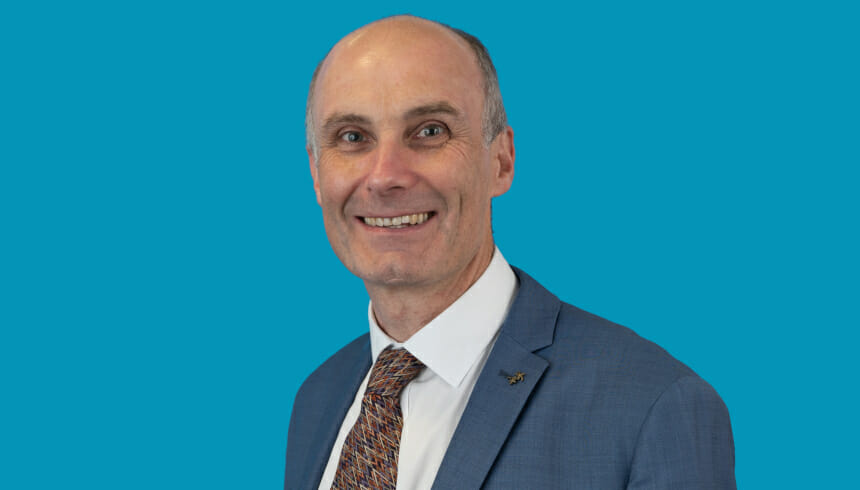
Peter’s engineering career started in the textile industry where he worked on improving textile laminating and drying machinery. After a two year return to university to follow his interests in combustion and energy engineering, Peter undertook four years of research on biomass fuelled furnaces, gasifiers and carbonisation kilns at the Natural Resources Institute (NRI). During his time at NRI he wrote a number of papers and short books on the combustion of biomass. After he witnessed an explosion in an experimental gasifier, Peter developed an interest in explosions and uncontrolled combustion. In 1994 he moved to Chilworth Technology, a company specialising in providing advice to process industries on explosion prevention and protection. There, he undertook fire and explosion risk assessments and provided training for a number of firms, largely in the chemical, food and pharmaceutical sector. Peter joined Hawkins in 1996 and almost immediately became involved in the investigation of a number of gas explosions. Since then, he has applied his knowledge to the investigation of over 1200 fires, explosions, chemical incidents and water leaks. These include the investigation of arson and major industrial incidents, but his work also involves looking at small domestic fires, electrical faults and failed pipework. […]
David Reid Rowland
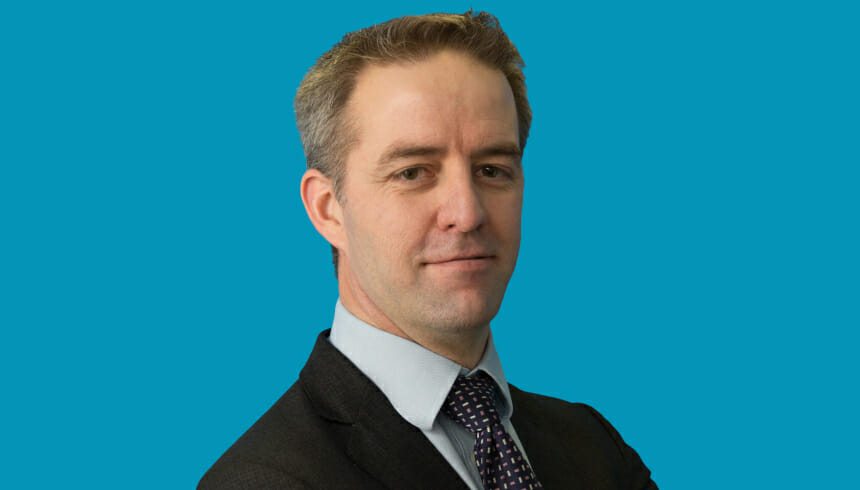
David is a forensic engineer previously based at Hawkins’ London office since 2004 and has recently relocated to Hawkins’ Singapore office. He has been involved in the investigation of a large number of fires and escapes of water and resultant damage claims in domestic, industrial, commercial, marine and health care settings, as well as a wide spectrum of engineering-related failures and personal injury cases. David is a Chartered Engineer (CEng) and a Member of the Institution of Mechanical Engineers (MIMechE) and Institution of Fire Engineers (MIFireE). He has experience in the preparation of Court compliant reports, Experts’ Joint Statements and appearance in Court as an Expert Witness.