




Biomechanical

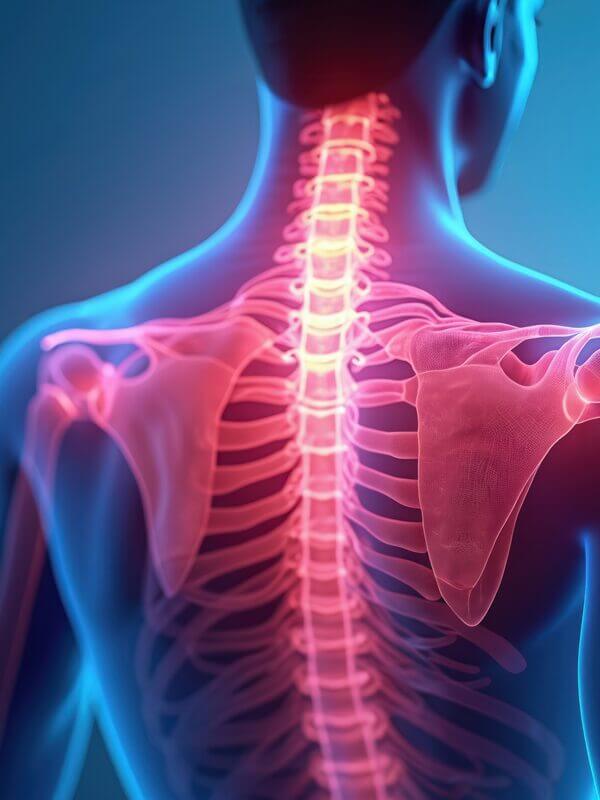
Hawkins’ biomechanical experts specialise in analysing how forces and movements affect the human body during an incident.

We apply principles of anatomy, physiology, and engineering to understand injury mechanisms and determine whether they align with reported circumstances. Our investigations cover a wide range of scenarios, including workplace accidents, road traffic collisions, slips, trips, falls, and other injuries where insurers need to establish causation. no matter the location or scenario.

By reviewing medical records, accident reports, and physical evidence, we assess the severity and mechanism of injuries to identify contributing factors such as speed, posture, and impact angles. Our team provides clear, evidence-based opinions to insurers, solicitors, and other clients, helping resolve claims and liability disputes. Whether the case involves complex trauma or everyday accidents, Hawkins delivers independent, scientifically grounded insight to support your forensic investigation.

WHY APPOINT A FORENSIC INVESTIGATOR?

If you need to understand how and why an injury occurred, a biomechanics forensic investigator can provide clarity. Hawkins offers experts who combine biomedical knowledge with engineering principles to answer your questions.

  • We analyse injury patterns and accident dynamics to explain what happened.

  • Our experts use validated biomechanical models and data to assess causation.

  • We determine whether injuries are consistent with the reported event.

  • We assess whether protective equipment or technology could have mitigated injuries.

  • We provide impartial reports suitable for court proceedings.

  • We clarify liability and help defend or pursue claims.

  • We support recovery actions and dispute resolution.

  • We recommend steps to prevent similar injuries in future.

  • We advise on safe operating practices and help clients understand relevant regulations.

  • If removing a risk entirely is unavoidable, we advise on measures to mitigate the risk and reduce the potential for injuries resulting from an incident.

Pallet full of boxes on a pallet truck in a warehouse

Examples of Typical cases

If you would like more information or to discuss a specific incident, you can contact us for a free consultation.

HOW DOES HAWKINS INVESTIGATE CONDUCT ITS INVESTIGATIONS?

1

Consultation

We start by reviewing your case details, including medical records, accident reports, and witness statements, and provide an initial cost estimate.

2

Inspection

We examine the incident scene, collect evidence, and analyse relevant data such as impact forces, body positioning, and environmental factors.

3

Conclusion

We deliver a detailed, CPR-compliant report explaining our findings, conclusions, and recommendations, suitable for litigation or settlement.

Related areas of expertise

Vehicle Examinations

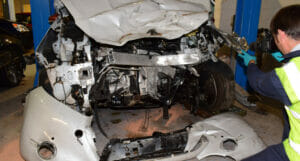
Whether the case involves a car, bus, heavy goods vehicle, motorcycle, farming equipment, or a bicycle, Hawkins’ engineers consider various vehicle attributes during an examination, such as: patterns of damage, occupant restraints, vehicle condition, vehicle defects, tyre performance, and vehicle stability. It is also becoming more common for vehicles to carry recoverable collision data from the EDR (Event Data Recorder) aka the black box.

Cycling Accidents

Expert forensic analysis of cycling accidents by Hawkins to determine cause, liability, and support legal or insurance claims.
Collision Reconstruction

Road traffic collisions (or accidents) are often traumatic incidents and litigation arising as a result is becoming more common as Court awards increase and injured parties become more aware of the compensation that might be available to them. Hawkins can provide detailed analysis of an incident and prepare forensic collision investigation and reconstruction reports suitable for use in Criminal or Civil Courts.
Digital Forensics

Given the prevalence of technology in the world today, the need to investigate the activities conducted using technological devices is becoming more relevant and useful.

Video Analysis

Closed Circuit Television (CCTV) systems and portable video recording devices are ubiquitous. Video recordings can provide definite and compelling evidence, often entirely in isolation.