 Italiano



From January to March 2027, join experts from across our Power & Energy discipline as they host our next webinar series.
This series will cover a range of topics, including failures in turbo-generators, steam turbines, and subsea power cables, plus wind turbine blade anatomy, solar farms and transformer issues.
For webinar details and to register, please see below.
If you would like further information on each webinar before registering, simply click on the titles. Our Events page provides details of other Hawkins events you may find of interest.
Turbo-Generators: Failure Mechanisms
Tuesday 12th January, 9:30am GMT
Presented by Ben Adams
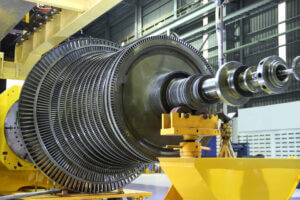
Generators sit at the heart of electricity production across the energy sector, from wind farms and hydroelectric schemes to gas, coal, and nuclear power stations. When a generator fails, the consequences can be significant, extending far beyond the cost of repairs. Major failures can result in extensive property damage, prolonged outages, and substantial business interruption losses, affecting operators, insurers, and end users alike.
In this webinar, Ben Adams, Head of Power & Energy at Hawkins, will provide an introduction to the technologies behind modern power generation and explore the common failure mechanisms that can affect generators throughout their operational life. Drawing on practical experience from real-world investigations, Ben will examine how generators are designed to operate, the stresses they are subjected to, and the electrical, mechanical, and operational factors that can lead to breakdowns.
Attendees will gain insight into the causes of generator failures, the investigation techniques used to determine what went wrong, and the lessons that can be learned to help prevent similar incidents in the future.
Wind Turbine Blade Failures: Forensic Engineering Lessons
Presented by Dr Amir Hajdaei
Tuesday 26th January, 9:30am GMT
As wind turbines continue to increase in size and power output, the integrity of their blades has never been more critical. A single blade failure can lead to significant operational disruption, costly repairs, and substantial insurance claims. Yet the causes of these failures often originate long before the final fracture, concealed within the blade structure as manufacturing defects, bonding issues, material degradation, or microscopic cracks.
In this webinar, Amir Hajdaei will explore the forensic engineering techniques used to investigate wind turbine blade failures and uncover their root causes. Drawing on real-world case experience, Amir will demonstrate how seemingly minor defects can develop over time into catastrophic structural failures, and how detailed forensic analysis can distinguish between manufacturing flaws, operational stresses, environmental influences, and maintenance-related issues.
Attendees will gain insight into the warning signs that precede blade failure, the investigative methods used to assess damage, and the lessons that owners, operators, insurers, and manufacturers can learn to reduce future risk. Whether assessing a major loss event or identifying issues before failure occurs, this webinar will highlight how forensic engineering helps tell the full story behind blade failures and supports more informed decision-making across the wind energy sector.
Solar Farm Reliability: Ageing Infrastructure, Equipment Failures & the Decentralised Grid
Presented by Oscar Jones
Tuesday 9th February 9:30am GMT
Solar farms have appeared across the UK at a remarkable pace over the last 15 years, with hundreds more at planning stage, but how well is the equipment performing as these assets mature?
Age-related wear and tear, infrequent maintenance visits, and unclear equipment specifications have all contributed to failures on solar farms. Combined with the challenges of the British climate and often remote site locations, these factors mean equipment failures are likely to continue unless fundamental changes are made to the way solar farms are designed, constructed and maintained.
Join Electrical Engineer Oscar Jones as he explores the common causes of solar farm equipment failures, examines lessons learned from real-world investigations, and discusses practical measures that can improve reliability and reduce future losses.
Transformer Failures: Causes, Prevention & Mitigation
Presented by Michael Chandler
Tuesday 23rd February, 9.30am GMT
Transformers are a critical component of industrial power systems and play a vital role in the generation, transmission and distribution of electricity. Although they are generally regarded as highly reliable assets, failures in service, as well as defects arising during manufacture, installation or commissioning, can result in significant physical damage, substantial financial losses, and wider societal and environmental consequences.
Join Mechatronic Engineer Michael Chandler as he examines common transformer failure mechanisms, the factors that contribute to these failures, and the lessons that can be learned from real-world investigations. Michael will also discuss preventative measures and key design features that can help improve reliability and minimise the impact of a catastrophic transformer failure.
Steam Turbine Impact Events: How to Determine What, How & When
Presented by Stephen Rowbotham
Tuesday 9th March, 9.30am GMT
Damage to steam turbine components can come to light during a planned outage, even when monitoring systems have recorded no abnormalities. For owners, operators and insurers, this raises important questions: what caused the damage, where did the impact object originate, and when did the event occur? Establishing the timing can be particularly significant where the damage may predate the start of the current insurance policy.
Join Material Expert Stephen Rowbotham as he explores the forensic techniques and investigative process used to examine impact damage in steam turbine steam paths. Stephen will explain how the evidence can help identify the impact object and its source, distinguish between foreign and domestic object damage, and assess when the incident is likely to have occurred.
Attendees will gain insight into how forensic findings can help establish the circumstances and timing of an otherwise undetected event, supporting more informed decisions about the applicable policy period.
Subsea Power Cables: Standards, Guidelines & Failures
Presented by Dr Hugh Martindale
Tuesday 23rd March, 9.30am GMT
Decades of experience in the oil and gas sector have led to the development of a comprehensive framework of offshore industry standards and guidelines. As subsea power cable networks continue to expand and play an increasingly critical role in the energy transition, there is a growing need for a similarly robust approach to standards and best practice.
However, existing standards for subsea power cable systems are often underdeveloped or, in some cases, non-existent. This can result in the adoption of standards intended for different structures and applications, increasing the risk of failures affecting critical infrastructure.
Join Subsea Cable Expert Dr Hugh Martindale as he explores the current gaps in subsea power cable standards, examines the challenges these shortcomings present for the industry, and discusses why the development of dedicated guidance is essential to improving reliability, resilience and long-term performance.